

Every hiring season, a recurring observation is familiar to many employers and HR managers: "certain universities leave a distinctly different impression"; When a particular university name appears on a resume, it automatically generates a higher degree of trust and expectation toward the graduate.
Why does a graduate from University A stand out from graduates of universities E, F, and G —even though all of them spend roughly the same years studying, learn within similar disciplines, and often have access to comparable resources and facilities?
Is it due to the quality of learning pathways? Or a deeper understanding of labor market needs? Or academic rigor that shapes a more mature and disciplined student? Or is it simply a historical reputation accumulated over time?
The answer is not a single factor — it is an integrated system where educational philosophy, student development, and real-world impact are deeply intertwined.
The Illusion of Equal Resources
One common mistake is assuming that similar resources lead to similar outcomes. Two universities may share the same infrastructure, a comparable number of faculty members, similar academic programs, and equally accessible educational resources — yet their graduate outcomes differ markedly.
The difference lies not in what is available, but in how it is used.
A distinguished university does not merely provide resources — it skillfully directs them within the student's learning journey. It knows when to challenge students, when to support them, and when to require them to translate knowledge into practice.
From a Study Plan to a Learning Pathway
Some institutions view education as a set of courses to be passed. Advanced universities, however, view it as an integrated and progressive learning pathway. The distinction is fundamental.
In the learning pathway model, skills are built cumulatively, such that:
- Each course builds on the previous one.
- Each skill is later applied in broader contexts.
- Knowledge is transformed into applied capability — not merely stored information.
This design makes graduates more capable of critical analysis, problem-solving, collaborative teamwork, and adapting to diverse work environments.
Applied Bridges: Where Learning Becomes Practice
Knowledge alone is no longer sufficient. Today's labor market is not looking for someone who "knows" — but for someone who "can do."
Strong universities integrate applied bridges into the educational journey, such as real-world
projects, field training, partnerships with industry, and case studies based on real situations.
These experiences move the student from theoretical understanding to practical maturity —
granting early exposure to the realities of professional life.
Understanding the Labor Market: More Than Just Keeping Pace
Many universities claim to keep pace with the labor market, but keeping pace alone is not enough. There is a difference between a university that adds a currently in-demand skill to its curriculum, and a university that understands deep market shifts and builds graduates capable of adapting to jobs that do not yet exist.
Distinguished universities build their understanding of the labor market through partnerships with various sectors, analysis of employment trends, continuous curriculum updates, and direct alignment between required competencies and learning outcomes.
The goal is no longer to produce a student who is "ready for a job," but one who is "ready for change."
Academic Rigor: Mentorship, Not Surveillance
The academic environment plays a decisive role in shaping graduates. In strong universities, oversight is not surveillance — it is ongoing mentorship.
Struggles are identified early, continuous feedback is provided, expectations are clearly elevated, and students are gradually pushed to take ownership of their own learning.
This environment cultivates a more mature student because it requires continuous growth —
not merely passing courses.
Does Reputation Create Quality — or Reflect It?
University reputation plays a significant role in the labor market. But the deeper question is: is reputation the cause of excellence, or its result?
In many cases, reputation is nothing more than a reflection of a long track record of successful outcomes and accumulated trust among employers. The danger begins when reputation becomes a substitute for genuine development.
Reputation is not a legacy to be consumed — it is a responsibility to be recreated with every graduating class.
Expanding the Adoption of Advanced Models in Building Learning Outcomes
Building education outcomes is no longer solely about 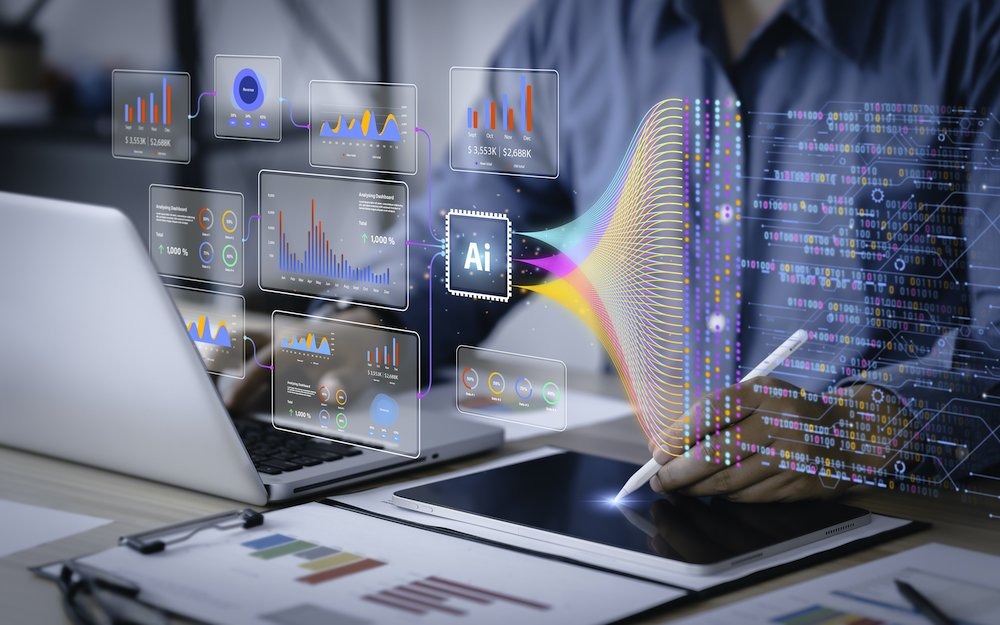 knowledge transfer. It is rapidly shifting toward adopting more integrated educational models that link competency, application, and the labor market.
In recent years, universities around the world have begun expanding their adoption of these models —depending on their institutional maturity, relationship with the employment sector, and capacity to redesign the learning experience.
1. Competency-Based Education (CBE)
This model focuses on measuring what a student can actually demonstrate and perform, rather than the number of credit hours completed. The goal is to prove competency — not merely to pass a course.
2. Project-Based Learning (PBL)
Students learn by solving real-world problems and working within multidisciplinary teams, strengthening critical thinking, communication skills, and the ability to connect knowledge with application.
3. Skills Mapping
This approach establishes clear and structured links between courses, learning outcomes, and the competencies demanded by the labor market — ensuring that what a student learns holds genuine practical value.
4. Work-Integrated Learning (WIL)
Part of the learning process takes place within real work environments such as factories, companies, hospitals, or professional institutions — giving students early practical experience and a realistic understanding of their field.
5. Micro-Credentials and Micro-Skills
These credentials enable short, focused learning pathways targeting specific skills that can be directly applied in the labor market — particularly in fast-moving fields such as technology and digital transformation.
6. AI-Supported Learning
Artificial intelligence is now being used to personalize learning pathways, analyze student performance, deliver immediate feedback, and identify learning gaps early on — making the learning experience more precise and effective.
In a rapidly changing world, the goal of education is no longer knowledge alone —but the capacity to keep learning, rebuild skills, and make a lasting impact in ever-evolving work environments.
Conclusion
The difference between one graduate and another is not made by a single factor, but by an integrated system working in harmony — from the design of the learning pathway, to its alignment with the labor market, to the quality of the academic environment, to the nature of follow-up and support.
All of this is ultimately reflected in a graduate who is capable of adapting, learning continuously, and adding genuine value in the labor market.